Table of Contents
Solar panels are designed to be low-maintenance, but that doesn’t mean no maintenance at all. Over time, small issues can quietly reduce the amount of energy your system produces, often without you noticing right away. That is where solar panel maintenance at Spring Solar fits in.
How Can You Keep Your Solar Panels Operating at Peak Output?
How Solar Panel Maintenance Directly Impacts Energy Output
Your solar panels rely on direct sunlight to generate electricity. Anything that blocks or reduces that exposure will impact how much energy your system produces. Dust, pollen, and debris can form a thin layer over your panels. It might not look like much from the ground, but even a small buildup can reduce the amount of sunlight that reaches the cells. Over time, this leads to noticeable drops in output.
There’s also the issue of gradual inefficiency. When minor issues go unchecked, they stack up. A little shading here, a bit of dirt there, and suddenly your system is no longer operating at its expected capacity. Staying consistent with maintenance helps keep your panels closer to peak performance, especially during high-production months when every bit of sunlight matters.
The Core Maintenance Tasks That Keep Panels Performing At Their Best
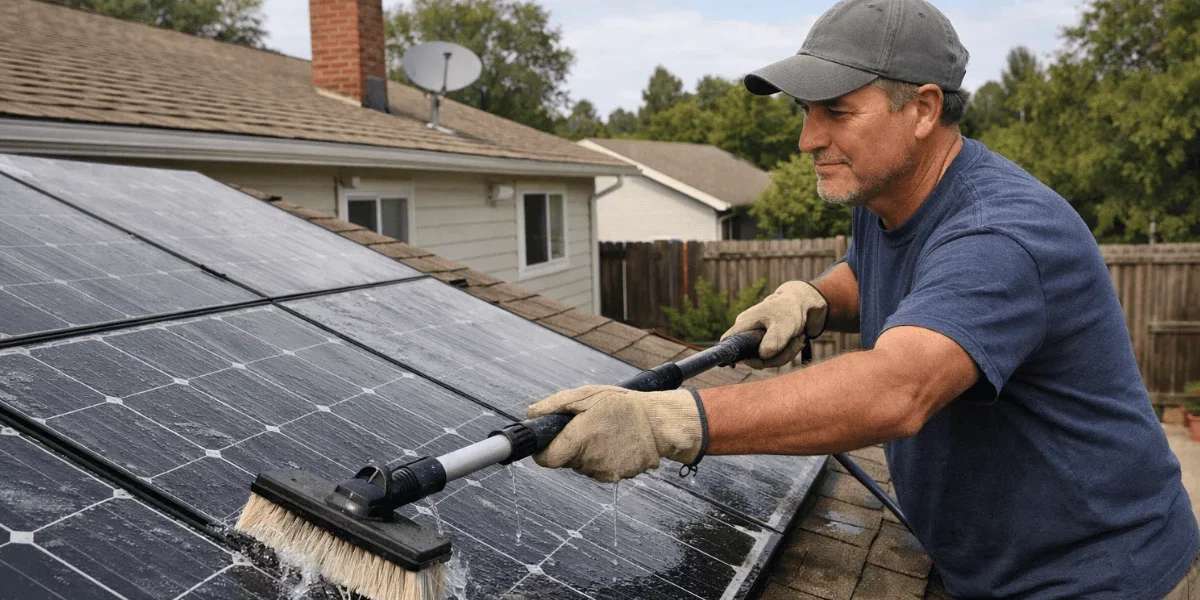
Maintaining solar panels does not require constant attention, but a few key tasks can significantly improve performance. Cleaning solar panels is one of the most important steps. Removing dirt, bird droppings, and debris allows sunlight to reach the cells more effectively. In areas like Bluffdale, where dust and seasonal buildup are common, this becomes even more important. Beyond cleaning, it’s worth keeping an eye on your surroundings.
Tree growth or shifting debris can create new shading patterns that were not there when your system was installed. A quick visual inspection can also help you catch early signs of wear, such as cracks, discoloration, or loose connections. While these issues are not always obvious, spotting them early can prevent larger performance drops later on. Finally, checking your inverter or monitoring system helps confirm everything is working as expected. If something is off, your system will usually show it before you notice it on your energy bill.
How Often You Should Clean And Inspect Your Solar Panels
One of the most common questions homeowners ask is how often maintenance is actually needed. The answer depends on your environment, but there are a few general guidelines to follow. Most home solar panels benefit from being cleaned at least once a year, and twice a year is ideal. However, if your area experiences frequent dust, pollen, or nearby construction, you may need to clean more often.
Seasonal checkups are also a smart approach. A seasonal solar check in spring and fall can help you prepare for peak summer production and identify any issues after harsh weather. There are also times when extra attention is necessary. After heavy storms, strong winds, or long dry periods, it’s a good idea to check your panels for debris or buildup.
Some signs that your panels may need attention sooner include:
- A noticeable drop in energy production
- Visible dirt or debris on the surface
- Alerts or irregular readings from your monitoring system
Common Factors That Quietly Reduce Solar Panel Efficiency Over Time
Solar panels do not suddenly stop working, but they can gradually lose efficiency if certain factors are not addressed. Dust and pollution are among the most common culprits. Even a thin layer can limit how much sunlight your panels absorb. Organic materials like leaves or bird droppings can have a similar effect. Shading is another issue that often goes unnoticed. Trees grow, structures change, and what was once a clear installation site can become partially shaded over time.
System components also age. While panels themselves are durable, other parts, such as inverters or wiring, may develop issues that affect performance if not monitored. Heat can also play a role. Poor airflow around panels can cause higher operating temperatures, which may reduce efficiency during hotter months. Understanding these factors makes it easier to take proactive steps and apply practical panel efficiency tips that actually make a difference.
Simple Ways To Monitor Your Solar System’s Performance At Home
You do not need specialized tools to monitor your system’s performance. Most modern solar systems include monitoring features that make it easy to stay informed. Many homeowners use apps or inverter dashboards to view real-time energy production. These tools allow you to see how your system is performing day to day.
It’s helpful to compare current output with past performance. If you notice a steady decline or unexpected dips, it may indicate the need for maintenance. Pay attention to patterns rather than one-off changes. A cloudy day will naturally reduce output, but ongoing drops during clear weather deserve a closer look. Monitoring your system regularly helps you catch issues early, before they turn into bigger problems.
When to Handle Maintenance Yourself vs. Calling a Professional
Some aspects of solar panel care are simple enough for homeowners to handle. Light cleaning and basic visual checks can often be done safely with the right precautions. However, not every task should be a DIY project. Working on your roof or dealing with electrical components carries risks, especially if you are not experienced.
Professional maintenance is recommended when:
- There are signs of damage or system malfunction
- Your monitoring system shows unexplained performance drops
- Panels are difficult to access safely
- Electrical components need inspection
At Spring Solar, our team provides solar panel maintenance in Bluffdale, UT, including system inspections, performance checks, and safe, effective cleaning. Having professionals handle routine service gives you peace of mind that nothing is being overlooked.
How Consistent Maintenance Supports Long-Term Solar Panel Performance
Solar panels are built to last, but consistent care plays a major role in how well they perform over time. Regular maintenance helps prevent gradual efficiency loss that might otherwise go unnoticed. It also supports the longevity of system components, reducing the likelihood of unexpected issues. By staying proactive, you can maintain reliable energy production across seasons and avoid dips in output when you need it most. Over time, these small efforts add up to better overall performance and a more dependable solar investment.
Boost Your Energy
Keeping your system efficient does not require constant effort, but it does require consistency. With the right approach to solar panel maintenance, you can protect your energy output and get the most from your system. Spring Solar is here to help with trusted service and local expertise. Schedule a solar inspection with our Bluffdale team today!